Many Tokyo Apartments for Rent for foreigners are now listed. Please search by area and conditions to find the apartment that best fits your needs.
Search For Rental Properties With Other Options
You can search for rental properties by narrowing down the following criteria.
Find your ideal apartment or house in Tokyo or Yokohama.


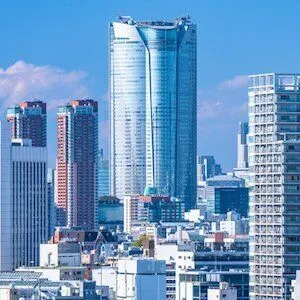
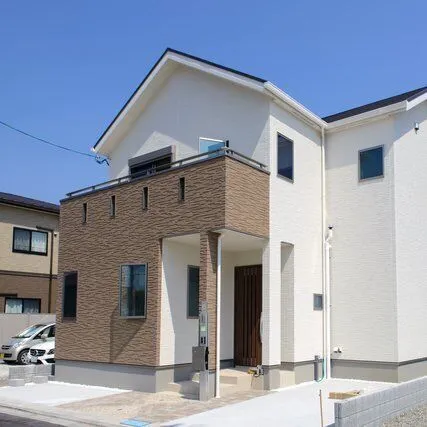

Popular Rental Apartments & Houses
We introduce apartments and houses for rent that are popular for foreigners.
We offer a variety of rental properties in popular areas in Tokyo, such as Roppongi where there are many of embassies and international companies, as well as the quiet residential neighborhoods of Azabu, Meguro, and Shirokane.
and also have properties in Shibuya, Hiroo and Omotesando where you can enjoy with many fashionable cafes and shops.
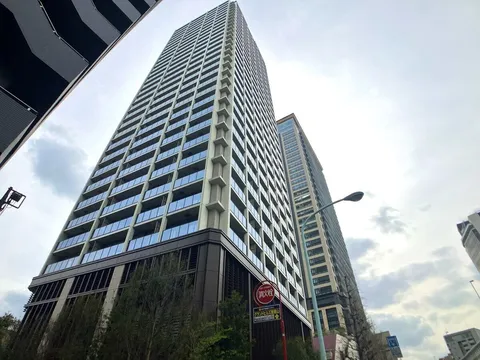
350,000yen 〜 1,400,000yen
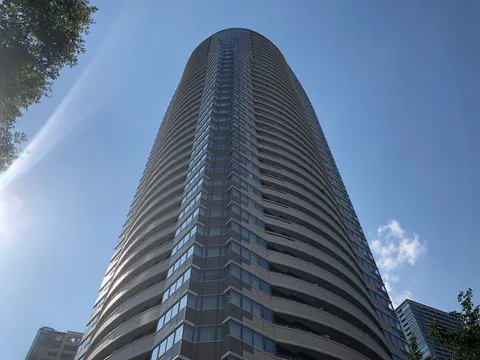
550,000yen 〜 2,540,000yen
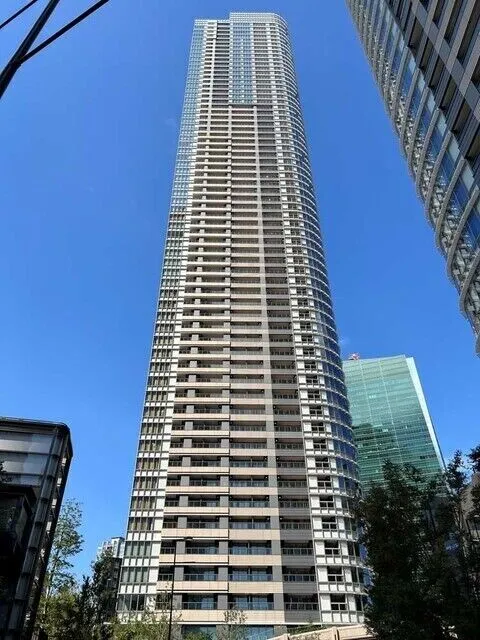
400,000yen
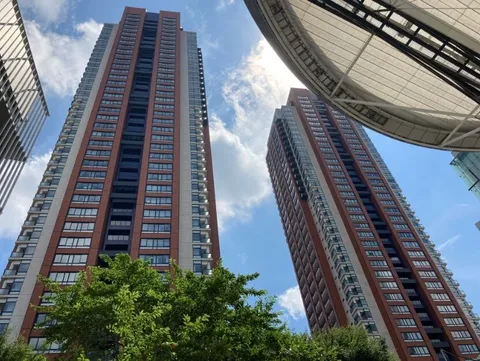
1,060,000yen 〜 1,910,000yen
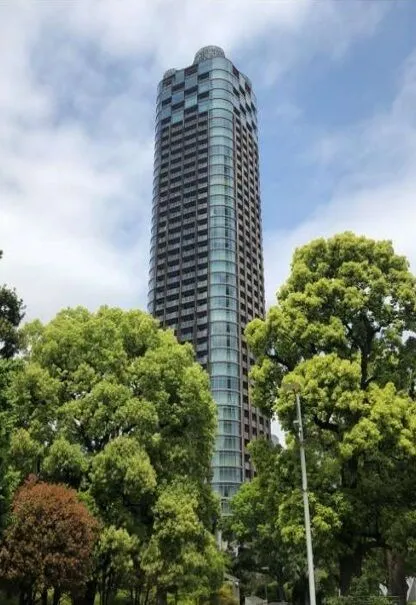
880,000yen
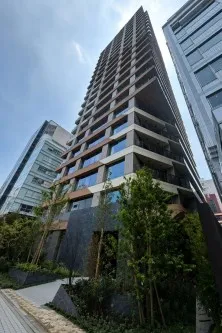
339,000yen 〜 700,000yen
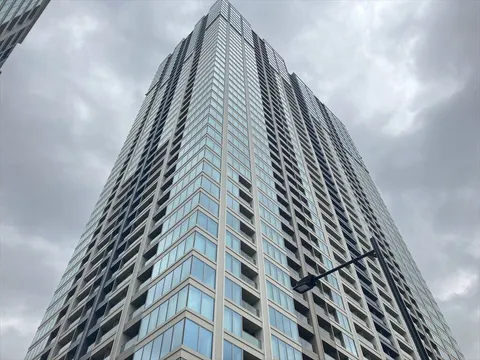
655,000yen(15,000yen) 〜 750,000yen
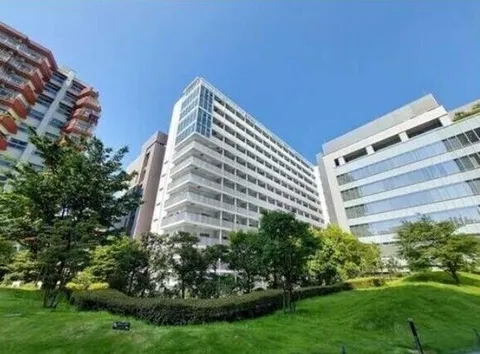
335,000yen(15,000yen) 〜 508,000yen(15,000yen)
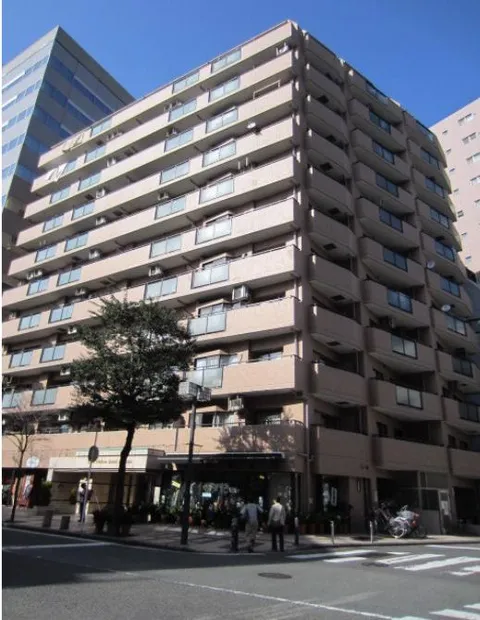
200,000yen(10,000yen)
Search by popular stations in Tokyo
Azabujuban sta. | Hiro-o sta. | Roppongi sta. | Shibuya sta. | Daikanyama sta. | Ebisu sta. | Akasaka sta. | Omote-sando sta. | Aoyama-itchôme sta. | Shibakoen sta. | Shirokanedai sta. | Toranomon sta. | Meguro sta. | Nakameguro sta. | Denenchoufu sta. | Tamagawa sta. | Ginza sta. | Kasai sta. | Nishikasai sta. | Fudō-mae sta. | Yūtenji sta. | Toritsudaigaku sta. | Jiyūgaoka sta. | Musashikoyama sta. | Gakugeidaigaku sta. | Futakotamagawa sta. | Sakura-shimmachi sta. | Center-kita sta. | Center-minami sta.
Search by route operating within Tokyo
Yamanote Line | Chuo Sobu Line | Keihintohoku Line | Odawara Line | Toyoko Line | Meguro Line | Denentoshi Line | Keikyu Main Line | Ginza Line | Marunochi Line | Hibiya Line | Tokyometrotozai Line | Chiyoda Line | Yurakucho Line | Hanzomon Line | Namboku Line | Oedo Line | Mita Line
Search by type of rental property
Search by number of bedrooms
Studio | 1 Bedroom | 2 Bedroom | 3 Bedroom | 4 Bedroom | 5 Bedroom | 6 Bedroom
Search by walking time from station
within 3 minutes | within 5 minutes | within 10 minutes | within 15 minutes
Search by rental price
under 200,000 yen | 200,000 – 500,000 yen | 500,000 – 1,000,000 yen | 1,000,000 – 1,500,000 yen | 1,500,000 – 2,000,000 yen | over 2,000,000 yen
Charm of living in Tokyo
There are seven major attractions for foreigners living in Tokyo.
1. Coexistence of city and nature
While Tokyo is a metropolis of skyscrapers, it is also home to many lush green parks such as Shinjuku Gyoen and Ueno Onshi Park.
Even in the busyness of daily life, you can feel close to nature and there are plenty of places to refresh yourself.
2. Convenient transportation
Tokyo's public transportation system is well developed with trains, subways, and buses making it easy to get around the city.
JR lines and subways are on time and provide easy access to major areas, and bus routes are extensive, making it convenient to travel to places that are difficult to reach by train.
Many facilities have English signage, making it easy for foreigners to use, and the environment is comfortable even without a car.
3. Highly safe and clean environment
Tokyo is known as one of the safest cities in the world, and you can walk around safely even at night.
In addition, the city is kept clean and manners are respected, making it a comfortable environment for foreigners.
4. Cultural diversity and local character
In Tokyo, traditional and modern cultures are in harmony, and each area has its own unique characteristics.
In Asakusa, you can enjoy temple tours and seasonal festivals; in Shibuya and Shinjuku, you can enjoy the latest fashions and entertainment; and in Akihabara and Nakano, you can experience unique Japanese pop culture such as anime and games.
In this way, Tokyo offers a wide range of cultural experiences.
5. Rich food culture
Tokyo offers a wide variety of food options, from Japanese cuisine to international cuisine.
In addition to Japanese cuisine such as sushi and ramen, you can also enjoy a variety of exotic cuisines such as Italian, Chinese, and Indian.
In addition, delicious food is readily available at convenience stores, making the diet in Tokyo a rich one.
6. Growth opportunities and work environment
Tokyo is home to many global companies, and there are plenty of opportunities for career growth for foreign residents.
With an increasing number of English-speaking companies and support systems for foreigners, it is an ideal environment for growth in the workplace.
7. Fusion of history and modernity
Tokyo is a city where historical buildings such as Sensoji Temple and cutting-edge architecture such as Azabudai Hills coexist. The harmony of history and modernity offers the allure of experiencing the past and the future at the same time.
As described above, Tokyo offers a convenient living environment, diverse cultural experiences, a safe and clean living environment, and career opportunities, making it the "city to live" of choice for many foreigners.
Rent Faq Title
A. Absolutely. Our team at RISE Corp. provides full English-language support from consultation and property viewings through to contract signing, move-in, and utility setup. We also offer support in Chinese and Tagalog. Lease contracts are typically in Japanese, but we provide detailed English explanations of all terms and conditions so you understand exactly what you are agreeing to. Online consultations are available as well, so you can begin your search before arriving in Japan.
A. Yes, foreigners can rent apartments in Tokyo. However, not all landlords accept non-Japanese tenants, which is why working with an agency that specializes in expat housing — like RISE Corp. — makes the process much easier. For the application, you will typically need: a copy of your passport, your residence card (zairyu card), a certificate of employment from your company, and proof of income (such as recent pay slips or a tax certificate). In some cases, a registered seal certificate (inkan shomeisho) may also be required. If you are relocating from overseas and do not yet have all documents, contact us early — we can advise on alternatives.
A. Traditionally, Japanese rental contracts require a guarantor (hoshounin) who is a Japanese resident. However, today it is very common to use a guarantor company (hoshou gaisha) . This means not having a personal Japanese guarantor is usually not a problem. RISE Corp. can arrange guarantor company services on your behalf as part of the rental process.
A. Yes, we do have furnished rental properties available, though the selection is smaller compared to unfurnished units. Furnished apartments are most commonly found in 1-bedroom and 2-bedroom configurations, making them suitable for singles or couples on shorter assignments. Please note that furnished apartments generally come at a higher monthly rent than unfurnished ones. If you are staying long-term (one year or more), renting an unfurnished apartment and purchasing furniture locally is often more cost-effective.
A. Yes, but the selection is more limited than standard rentals. Pet-friendly apartments in Tokyo generally allow small dogs or cats. Large dogs, exotic pets (reptiles, ferrets, etc.), and multiple pets are typically not permitted. Pet deposits or additional monthly fees may apply. RISE Corp. maintains a dedicated list of pet-friendly rental properties — you can browse them directly on our website or contact us for personalized recommendations.
A. In most cases, RISE Corp. assists with arranging utility contracts (electricity, gas, water, and internet) on your behalf, so everything is ready when you move in. We also provide guidance on garbage disposal rules — which vary by ward and can be complex for newcomers — and can connect you with English-speaking service providers for insurance, moving companies, and other daily-life needs.
A. The most popular neighborhoods for international residents tend to be areas with a high concentration of embassies, international schools, and foreigner-friendly services. These include: Azabujuban and Hiroo (quiet, upscale residential areas with excellent international supermarkets), Roppongi and Akasaka (vibrant areas close to many foreign corporations and entertainment), Daikanyama, Ebisu, and Nakameguro (trendy neighborhoods with boutique shops and cafes), Shibuya and Omotesando (fashion-forward districts with great transport access), and Shirokane and Meguro (peaceful residential areas popular with families).
Preferences often vary by nationality and lifestyle. Our team can recommend the best area based on your workplace location, family situation, and daily priorities.
A. "Reikin" is a one-time, non-refundable payment to the landlord as a token of appreciation, usually equivalent to 1-2 months' rent. In recent years, more properties have been offered with no key money required. The origin of this custom is said to date back to the postwar housing shortage, when tenants expressed their gratitude for being able to secure a place to live, and this practice remained as a cultural tradition.
"Shikikin" is a refundable deposit held by the landlord to cover unpaid rent or repair costs. Upon moving out, the balance (after deducting unpaid rent or damages) is refunded.
A. Initial costs typically include:
- First 2 months' rent
- Security deposit
- Key money
- Guarantor company fee (if applicable)
- Brokerage fee
- Key replacement fee (sometimes not required)
- Fire insurance
We recommend preparing approximately 5-6 months' rent in advance.
A. Yes, fire insurance (kasai hoken) is required for virtually all rental properties in Japan. This insurance covers damage to the interior caused by fire, water leaks, natural disasters, and falling objects. The cost is typically ¥15,000–¥25,000 per year for a standard apartment. Please note that damage caused by pets is generally not covered, and deductibles may apply depending on the policy.
A. Yes, but we handle them only in limited cases.
A. Standard rental contracts in Tokyo are for 2 years, with an option to renew. A renewal fee (koshinryo) of approximately 1 month's rent is charged upon each renewal. Fixed-term leases (teiki shakka) are also available for some properties; these have a set end date and do not automatically renew, but may require a re-contracting fee.
Most leases allow early termination with 1–2 months' advance written notice. However, if you terminate within the first year, a short-term cancellation penalty (usually 1 month's rent) may apply. Specific terms vary by property, and we explain all conditions clearly before you sign.
A. Renewal fees are required when extending a standard lease after two years. The fee is typically equal to one month's rent (excluding tax).
Note: Fixed-term leases do not have renewal fees but may require a re-contracting fee which is 1month rent plus 10% tax.
A. Most issues involve noise, odors (pets, garbage), garbage disposal, use of common areas, and interpersonal manners. Please be mindful to prevent conflicts.
A. Yes, garbage disposal rules in Japan can be complex.
1. Check your local rules - Each ward/city has its own collection days, times, and garbage bags. Obtain a garbage calendar or separation guide (often available in English/Chinese).
2. Main categories - Burnable, Non-burnable, Recyclables, Bulky waste.
(Many municipalities also offer multilingual versions, including English and Chinese.)
3. Follow time and location rules - Usually by 8 AM on collection day, at the designated site.
4. Proper preparation - Use designated bags(Such as Machida City, and Chofu City.), rinse bottles, remove labels, and bundle cardboard/newspapers.
A. When your lease ends, you are expected to return the apartment to its original condition (genjou kaifuku). In practice, this means removing all your furniture and belongings. Professional cleaning is typically arranged and paid for by the tenant, but it is carried out by the landlord's designated cleaning company — so there is no need to hire your own cleaners.
Normal wear and tear (such as minor scuff marks on walls or natural aging of flooring) is not charged to the tenant. However, damage caused by smoking, pets, negligence, or unauthorized modifications will be deducted from your security deposit. We explain these conditions in detail before move-in so there are no surprises at the end of your lease.
A. Yes, we are happy to provide consultations online.
A. We recommend checking the following during your viewing: surrounding noise levels (traffic, trains, nearby restaurants or schools), natural sunlight and ventilation, the condition of air conditioning units and ventilation fans, the number of electrical outlets and their locations, mobile phone signal strength inside the unit, storage space (closets in Japan tend to be smaller than in Western countries), cleanliness of common areas such as the entrance hall, mailboxes, and garbage collection area, availability of a delivery box (takuhai box), and neighborhood safety — if possible, visit the area at different times of day.
If you cannot visit in person, we offer virtual viewings via video call and provide detailed photo reports to help you make an informed decision.
A. Yes, but we recommend viewing in person to avoid unpleasant surprises (noise, odors, dirt, etc.) upon move-in.
Rent Aboutus
Rent Aboutus Text